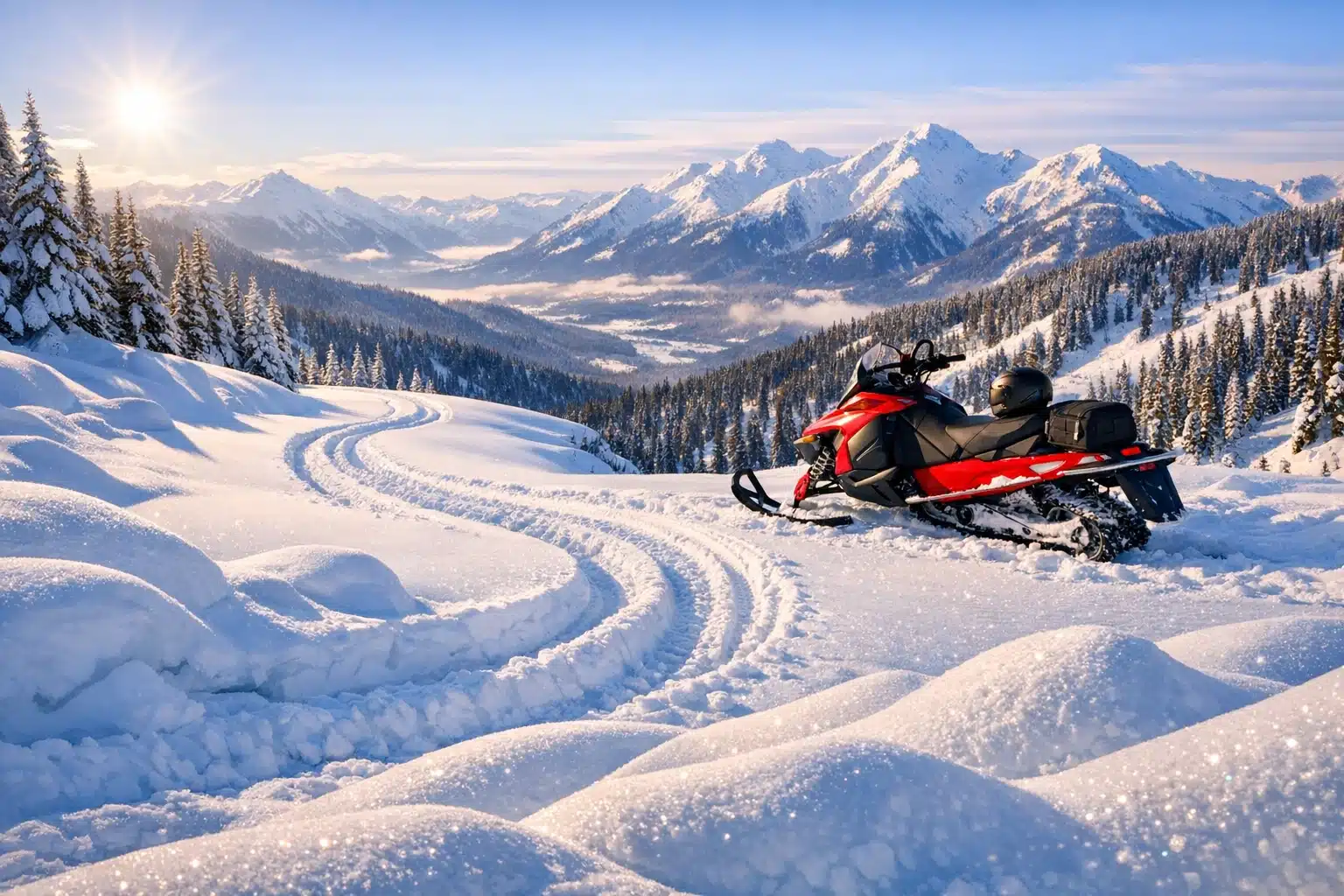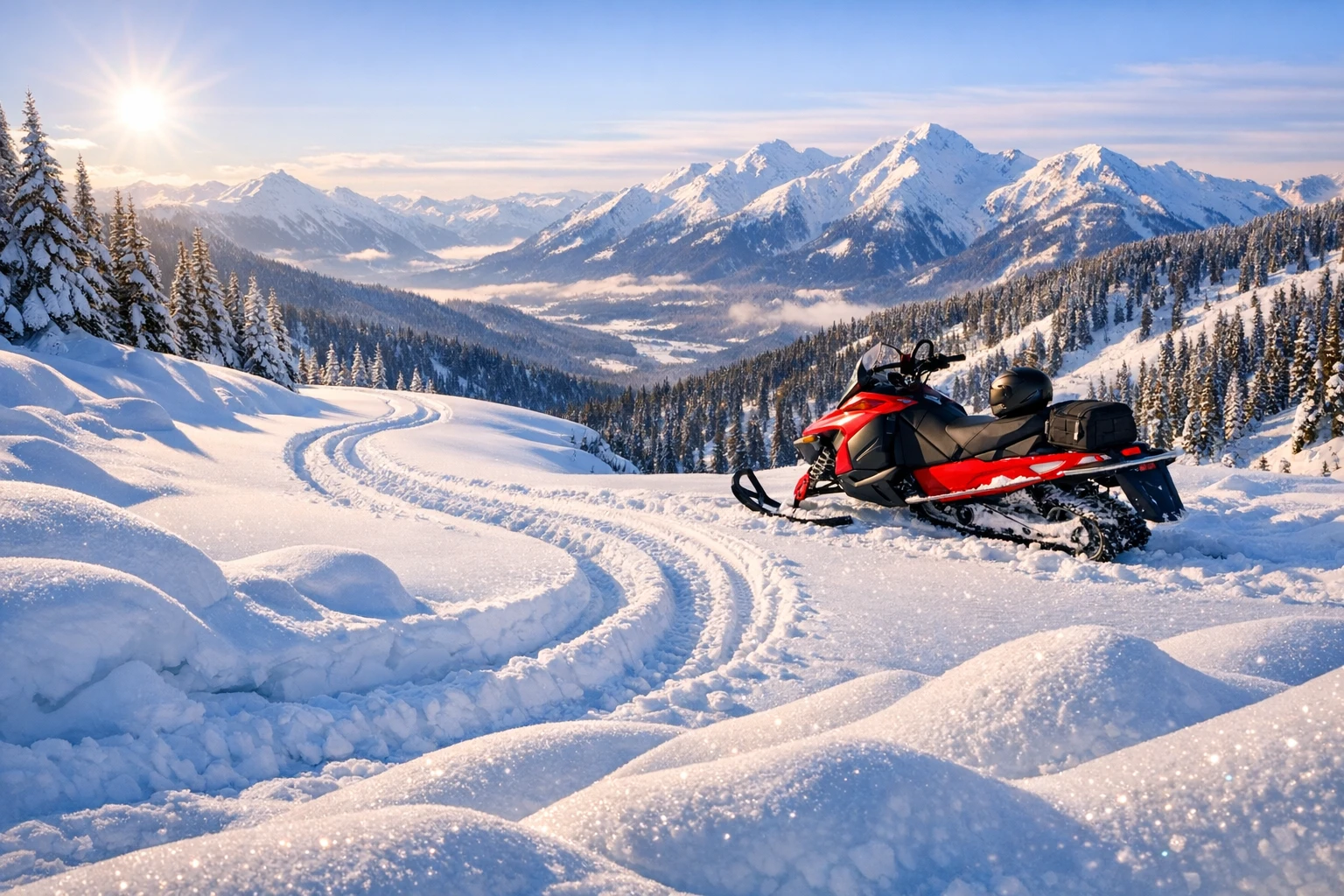
Snowmobile Basics: A Beginner's Guide to Riding, Safety, and Maintenance
Snowmobiles open a door to winter terrain that cars cannot reach, turning frozen lakes, forest trails, and mountain routes into practical pathways and memorable adventures. For beginners, though, the machine can seem equal parts freedom and puzzle. Learning how a snowmobile works, how to ride it with control, and how to maintain it properly makes every trip safer, smoother, and far more rewarding.
Article Outline
This article starts with the machine itself, then moves into riding technique, safety, maintenance, and smart ownership choices for first-time riders.
- Section 1 explains the main parts of a snowmobile, common categories, and the differences between models.
- Section 2 covers the basic skills needed to ride with balance, control, and better judgment.
- Section 3 focuses on safety gear, trail etiquette, weather awareness, and risk reduction.
- Section 4 details routine maintenance, inspection habits, and off-season care.
- Section 5 helps beginners choose the right snowmobile and understand real-world costs.
1. Understanding the Snowmobile: What It Is, How It Works, and Why Types Matter
A snowmobile is a compact motorized vehicle designed to travel over snow by combining a rear rubber track for propulsion with front skis for steering. That simple description hides a surprisingly clever design. Unlike a car, which depends on four tires finding grip on a hard surface, a snowmobile spreads its weight across snow and uses momentum, traction, and body positioning to stay stable. In a way, it does not simply drive over winter; it negotiates with it. That is why understanding the machine’s layout is the first big step for any beginner.
Most modern snowmobiles use either a two-stroke or four-stroke engine paired with a continuously variable transmission, often called a CVT. The CVT automatically adjusts power delivery, which helps the engine stay in an efficient operating range as speed and load change. New riders do not need to become mechanics overnight, but they should know the main components:
- The engine creates power.
- The drive clutch and driven clutch transfer that power through the belt system.
- The rear track pushes the machine forward.
- The front skis guide direction.
- The suspension helps absorb bumps and keep traction more consistent.
- The throttle, brake lever, handlebars, and kill switch form the core rider controls.
Snowmobiles also come in several categories, and the differences are meaningful. Trail models are the most beginner-friendly for many riders because they are designed for groomed routes, predictable handling, and general recreational use. Mountain sleds usually have longer tracks, lighter designs, and geometry meant for deep snow and steep terrain, but those same features can feel awkward to a novice on packed trails. Utility models favor towing, cargo, and durability, while touring models are built for comfort over longer distances, often with room for a passenger and more weather protection.
Size and setup matter too. Many trail-oriented snowmobiles weigh roughly 450 to 600 pounds dry, though actual numbers vary by engine and equipment. Track lengths may range from shorter trail setups to very long mountain tracks made for flotation in powder. Wider tracks can improve traction and stability, while narrower, lighter configurations may feel more agile. Engine sizes for beginner-suitable machines often fall in a manageable range rather than the high-performance end, because control is more useful than raw speed when a rider is still learning.
Think of the snowmobile as a tool shaped by terrain. A quiet scenic trail ride, a deep-powder backcountry run, and a workday hauling supplies across snow each ask the machine to behave differently. Once a rider understands that snowmobiles are purpose-built rather than one-size-fits-all, the rest of the learning process becomes much easier and much more realistic.
2. Riding Basics for Beginners: Controls, Body Position, Turning, and Terrain Awareness
The first moments on a snowmobile often feel strange because the controls are familiar in some ways and completely different in others. You have handlebars rather than a steering wheel, a thumb throttle instead of a foot pedal, and a machine that reacts strongly to body movement. That combination is exciting, but it also explains why beginner success depends less on bravery and more on calm technique. Smooth inputs make the ride smoother, and smoother rides are usually safer rides.
Before moving, a new rider should know the basic controls by touch rather than by memory under pressure. The right thumb typically controls the throttle, the left hand usually operates the brake lever, and the handlebars point the skis. Most snowmobiles also have a tether or kill switch that shuts the engine off quickly. It is worth practicing a simple sequence before every ride: start the machine, check brake feel, locate the kill switch, and confirm the path ahead is clear. That tiny routine can prevent a surprising number of beginner mistakes.
Body position matters more than many first-time riders expect. On a straight, flat trail, a relaxed seated stance works well, with elbows slightly bent and both feet planted. When the surface gets rough, standing lightly on the running boards can help the legs absorb bumps. In turns, riders usually need to slow down before entering the corner, then lean their upper body slightly to the inside while keeping a steady, controlled throttle. Trying to brake hard in the middle of a turn often unsettles the machine and reduces control.
Good beginner habits include:
- Looking far ahead rather than directly at the skis.
- Reducing speed early before curves, intersections, or blind rises.
- Keeping a larger following distance than you would expect on dry pavement.
- Avoiding abrupt throttle inputs, especially on icy or uneven surfaces.
- Riding well within visibility, trail conditions, and personal comfort level.
Terrain changes the rules. Groomed trails are typically the easiest place to learn because they offer predictable surfaces and marked routes. Deep snow requires more throttle awareness and more active body positioning, since the machine can trench, bog down, or tip if handled poorly. Hills add another layer: climbing often requires steady momentum, while descending calls for controlled speed and smooth braking. Riding across side slopes or unfamiliar frozen water can be particularly risky for inexperienced riders. Ice that looks solid may not be safe, especially near moving water, changing temperatures, bridges, pressure cracks, or shorelines.
One of the best comparisons for beginners is this: riding a snowmobile is less like driving a sedan and more like combining elements of a motorcycle, an ATV, and a set of winter conditions that never stop changing. The rider is an active part of the machine’s balance. Once that idea clicks, technique starts to feel logical rather than mysterious, and confidence grows for the right reasons.
3. Snowmobile Safety: Gear, Trail Etiquette, Weather Judgment, and Common Risk Factors
Snowmobile safety is not a separate topic from riding; it is the framework that makes riding possible in the first place. A snowmobile can cover ground quickly, often in cold, remote places where daylight fades early and help may be far away. That combination means small mistakes can grow into serious problems faster than many new riders expect. The smart approach is not fear, but preparation. A rider who plans for weather, visibility, and changing terrain usually enjoys the trip more because fewer surprises become emergencies.
Protective gear is the first layer of that preparation. A properly fitted helmet designed for snow or motorsports is essential, and eye protection matters whether that comes from a visor or quality goggles. Hands and feet need insulated, weather-resistant protection because cold reduces comfort, concentration, and reaction time. Layering clothing is usually better than relying on one heavy garment, since body temperature changes throughout the day. Moisture management is important too; being warm at the start is not enough if sweat later turns into chilling dampness.
Useful safety gear often includes:
- Helmet and eye protection
- Insulated gloves and boots
- Base, mid, and outer layers suited to winter conditions
- Communication device, where service is available
- Trail map, GPS, or navigation app
- Small repair kit, tow strap, and basic tools
- Emergency supplies such as water, snacks, and a first-aid kit
Backcountry riding demands even more caution. If a rider enters avalanche terrain, formal avalanche education and proper rescue gear are essential, not optional. That typically means traveling with trained companions and carrying equipment such as a beacon, probe, and shovel. For beginners, marked and maintained trails are generally the wiser classroom. There is no shame in learning on easier terrain. In fact, that choice often shows better judgment than chasing dramatic scenery before the necessary skills exist.
Trail etiquette is another safety tool. Ride on the correct side of marked trails, slow near crossings and trailheads, signal clearly when appropriate, and leave extra space around other riders. Collisions often happen because of speed, limited visibility, or poor assumptions about what is around the next corner. Alcohol and drug impairment are especially dangerous on snowmobiles because they reduce balance, judgment, and reaction time while cold weather can mask how impaired someone feels.
Weather deserves respect as well. A bright morning can turn into flat light, wind, or heavy snowfall by afternoon. Visibility may drop, snow surfaces may harden or soften, and familiar routes can become harder to read. Before leaving, riders should check forecasts, note sunset times, and tell someone where they are going. Snowmobiling can be pure winter joy, but it rewards the rider who thinks like a planner, not just an adventurer.
4. Maintenance and Care: Daily Checks, Troubleshooting Basics, and Off-Season Storage
A well-maintained snowmobile is easier to start, easier to ride, and less likely to leave its owner stranded in the cold. Maintenance may not be the glamorous part of ownership, but it is where a lot of confidence comes from. When a beginner knows the machine has been inspected, fluids are correct, and wear parts are in good condition, attention can stay on the trail instead of on nagging worries. Better still, regular care is usually cheaper than major repairs caused by neglect.
A practical routine starts before every ride. Check the fuel level, confirm the correct oil is present if the machine requires it, and inspect the brake function. Look over the drive belt, track, skis, and suspension for obvious wear or damage. Snowmobiles work in a punishing environment of vibration, cold, ice, and impact, so even a quick visual inspection matters. If the track looks damaged, the ski runners are badly worn, or the belt shows cracking or glazing, those are signs to address the issue before heading out.
Common pre-ride and post-ride checks include:
- Fuel, oil, and coolant where applicable
- Drive belt condition and clutch area cleanliness
- Track alignment, tension, and visible lugs
- Suspension arms, shocks, and mounting points
- Ski carbides or runners for wear
- Lights, battery condition, and electrical connections
- Nuts, fasteners, and loose panels after rough riding
Beginners should also understand that different engines can have different maintenance personalities. Two-stroke snowmobiles are often appreciated for lighter feel and lively power delivery, while four-stroke machines are often valued for smoothness, longevity, and a different service pattern. Neither is automatically better for everyone. The important point is to follow the owner’s manual and manufacturer service schedule for the specific machine. That includes recommended fluids, belt replacement guidance, chaincase service, spark plugs, and periodic inspection intervals.
After a ride, snow and ice should not simply be ignored. Packed snow can freeze around components, hide problems, and contribute to wear. Letting the machine dry, clearing buildup, and inspecting for leaks or damage helps catch issues early. If the snowmobile has been ridden on salted roads during loading or transport, rinse off corrosive residue where appropriate and dry the machine thoroughly.
Off-season storage deserves extra attention. Fuel stabilizer, battery care, proper cleaning, and storage in a dry location are basic steps. Some procedures, such as fogging or preserving engine internals, may be recommended depending on the machine. A cover helps, but ventilation still matters. Many owners benefit from keeping a maintenance log with dates, parts replaced, and notes from each season. That log becomes a quiet but useful map of the machine’s health, especially when diagnosing patterns or preparing to sell it later.
5. Choosing Your First Snowmobile: Buying, Renting, Budgeting, and Building Good Ownership Habits
For a beginner, the smartest first snowmobile is rarely the fastest or most eye-catching one. It is the model that fits the rider’s terrain, skill level, budget, and realistic plans. Someone who will mostly use groomed local trails has very different needs from a rider dreaming of mountain powder or a property owner using a sled for winter work. Choosing well at the start prevents an expensive lesson later. A machine that feels manageable encourages practice, while an oversized high-performance sled can make learning harder than it needs to be.
One of the first decisions is whether to rent, buy used, or buy new. Renting is a sensible option for people who want to test the experience before committing to ownership. It also gives beginners a chance to ride under controlled conditions, often with access to local advice. Buying used can save money, but it requires caution. A clean appearance does not always mean a healthy machine, so service records, cold starts, track condition, suspension wear, belt health, and general signs of care all matter. If a buyer lacks confidence, a pre-purchase inspection by a qualified technician can be money well spent.
When comparing ownership options, consider more than the sticker price. Real-world costs often include:
- Registration, licensing, and local trail permits where required
- Insurance, depending on region and usage
- Helmet, clothing, boots, gloves, and protective gear
- Routine maintenance, belts, wear items, and fluids
- Trailer or transport solutions
- Storage space and off-season care
Beginners often do best with a trail-oriented machine that has predictable handling, moderate power, and ergonomics that match their size. Seat height, handlebar position, and total weight all affect comfort and control. If possible, sitting on several models before buying is useful, and a short test ride is even better. Comfort is not a luxury here; it influences fatigue, reaction time, and confidence.
There is also a lifestyle side to snowmobile ownership that is easy to overlook. Good owners learn local regulations, respect trail systems, avoid trespassing, and minimize noise and environmental impact where possible. They ride in ways that preserve access for everyone else. That might sound less thrilling than talk of horsepower, but it is part of what keeps the sport healthy and respected.
For many new riders, the best path is simple: start modestly, ride often, and let skill grow before ambition does. Snowmobiling becomes far more enjoyable when the machine feels like a partner instead of a test. That is the real beginner upgrade, and no catalog accessory can replace it.
Conclusion for New Snowmobile Riders
If you are new to snowmobiling, the most valuable takeaway is that good riding begins long before the engine starts. Understanding the machine, practicing smooth technique, wearing the right gear, and sticking to a maintenance routine all work together. You do not need expert-level knowledge on day one, but you do need patience, attention, and a willingness to learn from conditions rather than fight them. Start with terrain that matches your experience, choose equipment that supports control instead of ego, and build confidence one ride at a time. Winter has a way of rewarding prepared people, and snowmobiling is one of the clearest examples. When you approach it with respect and curiosity, the sport becomes not only more enjoyable, but also far more sustainable over the long run.